Before you spend money, you deserve a clear label story — not a wall of marketing adjectives. PrimeBiome is a once-daily probiotic gummy with a named probiotic, a prebiotic fiber, and a botanical group. Below is the useful version: what each piece is for, what to watch for, and how to read a proprietary blend without feeling tricked.
The formula in three plain buckets
- Probiotic: Bacillus coagulans (~500 million CFU per gummy).
- Prebiotic: chicory root inulin to help nourish beneficial gut bacteria.
- Botanicals: babchi powder, dandelion, fennel, fenugreek, lemon balm, organic Ceylon ginger, organic Lion’s Mane, and slippery elm bark.
The wellness idea is gut first, skin second: digestive comfort and microbiome balance as daily support, with healthy-looking skin discussed as part of a broader routine — never as a drug claim.
What “proprietary blend” means for you
Many bottles list a blend total without a milligram line for every plant. Brands do this to protect formulas. Your job as a buyer is simple: know the names, know the cautions, and always trust the Supplement Facts panel on the bottle you receive over any webpage — including this one.
Psychology tip: uncertainty makes people over-research forever. You do not need every study PDF. You need enough clarity to decide, plus a doctor chat if your health is complex.
Ingredient-by-ingredient (straight talk)

1. Bacillus Coagulans
Core probiotic · ~500M CFU
The main probiotic. Spore-forming types are often chosen for gummies because they are discussed as more resilient. Useful for digestive comfort conversations — not a promise of identical results to every clinical paper.

2. Chicory Root Inulin
Prebiotic fiber
Food for beneficial microbes. Pairing probiotic + prebiotic is a common “synbiotic-style” idea. Go steady if fiber usually bothers you.
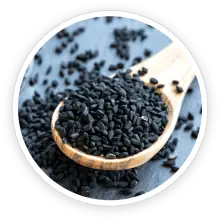
3. Babchi Powder
Skin-interest botanical · caution
Often mentioned near skin-wellness talk. Oral babchi is not the same as a topical cream. May carry liver-related risks orally — ask a physician before use if relevant.
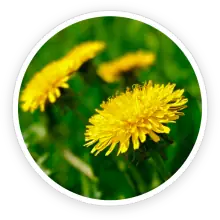
4. Dandelion
Digestive botanical
A familiar herbal addition in digestive wellness blends. Treat as botanical support language, not a treatment for any condition.
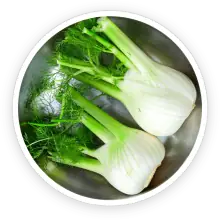
5. Fennel
After-meal comfort botanical
Classic culinary/herbal comfort ingredient. Helps round out the “everyday digestion” side of the gummy.
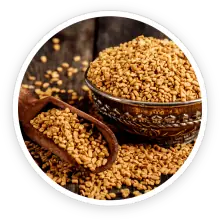
6. Fenugreek
Traditional seed botanical
Common in cooking and herbal routines. If you monitor blood sugar or take related meds, ask your clinician first.
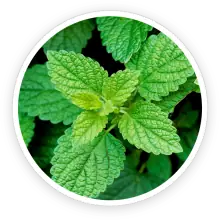
7. Lemon Balm
Gentle herbal companion
A calm, mint-family herb people often use in daily routines. Stress and digestion feel linked for many adults — still not a psychiatric medicine.
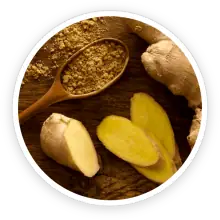
8. Organic Ceylon Ginger
Digestive root botanical
One of the most familiar comfort botanicals. Soft use case: everyday stomach comfort support as part of a routine.
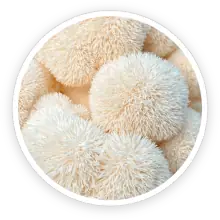
9. Organic Lion’s Mane
Functional mushroom
Popular functional mushroom. Keep expectations grounded: one named ingredient among ten, not a stand-alone “fix or skin cure.”
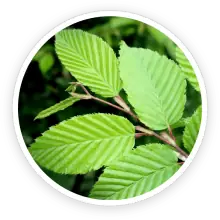
10. Slippery Elm Bark
Soothing bark botanical
Traditionally linked with soothing mucilage. If you take timed medications, ask a pharmacist about spacing — coating botanicals can matter for absorption.
Safety notes worth reading once
- Temporary gas/bloating can happen when starting probiotics or fibers.
- Babchi: physician consult for liver concerns, meds, pregnancy, nursing.
- Fenugreek/ginger: check in if you use blood-sugar or blood-thinning medicines.
- Read the gummy base (flavors/sweeteners) if you have allergies or track sugar closely.
More Q&A: FAQ. How the routine fits together: how it works.
Quick ingredient FAQ
How many ingredients are listed?
Ten marketed actives: probiotic, prebiotic, and eight botanicals above.
Is it multi-strain?
Marketing centers on one probiotic species — Bacillus coagulans — plus inulin and botanicals.
Will the label show every milligram?
Often framed as a proprietary blend. Confirm your bottle.